
Lithium-ion Battery Fires: Causes, Risks, and Prevention Tips
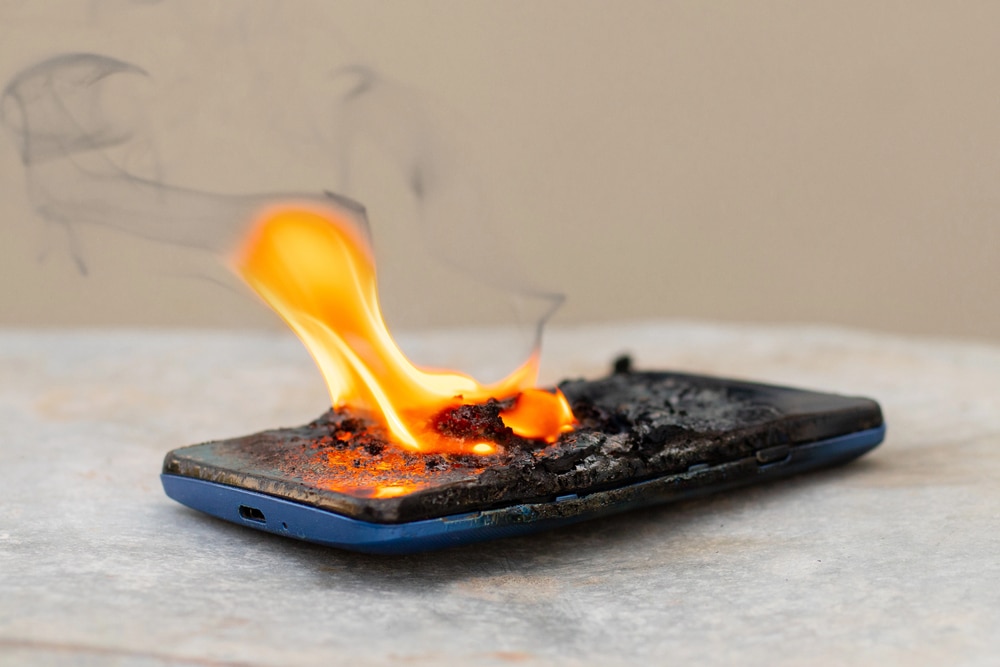
We rely on lithium-ion batteries in day-to-day life, and the number of devices we use keeps increasing.
According to data released by QBE Insurance, almost half (47%) of lithium-ion fires happen in people’s homes.
Even more concerning is the number of fires involving lithium batteries – QBE claims the number of lithium-ion fires attended by UK firefighters has increased 147% since 2002 (equivalent to just under 5 fires a day).
The data highlights a worrying trend that businesses and homeowners largely overlook.
Do You Know What Type of Batteries You Have at Home or at Work?
Not everyone understands what a lithium-ion battery is or how it differs from other batteries.
The two can also look very similar.
A lithium-ion battery is rechargeable, lasts much longer, and is generally much more powerful than a regular battery.
Alkaline/Zinc batteries, which most of us are familiar with, tend to be cheaper, single-use, and better suited to low-powered devices such as radios, remote controls, and wireless mice.
How Many Lithium-ion Batteries Do You Use?
Lithium-ion batteries are typically built into appliances and usually don’t need to be replaced. So we don’t often notice them or realise how many we have at home or at work.
An average household contains around 24 lithium-ion batteries.
Depending on its size, a business could have dozens or hundreds of lithium-ion batteries.
Such items include:
- E-cigarettes/Vapes
- Handheld vacuum cleaners
- Electric cars
- E-scooters
- E-bikes
- Mobile phones/chargers
- Power banks
- Children’s toys
- Power tools
- Laptops
- Tablets
- Gaming consoles
- Headphones
- Smartwatches.
With lithium-ion fires occurring at an alarming rate, it is time we took responsibility for our own safety at home and at work.
What Causes Lithium-Ion Batteries to Catch Fire?
Without getting too scientific, a lithium battery may catch fire due to a process known as ‘thermal runaway’.
Thermal runaway occurs when heat builds up in the battery faster than it can dissipate, causing temperatures to rise and the system to fail, resulting in a fire and the production of toxic gases.
The reason for this uncontrollable buildup of heat can be several factors, such as:
- Physical Damage – The battery may be punctured, dropped or crushed, causing internal damage.
- Overcharging the Battery – Charging the battery for too long may cause chemical instability. Devices such as laptops and tablets have a Battery Management System (BMS) that regulates the lithium battery to avoid overheating. However, if the BMS fails, the lithium battery can overheat, especially if left on overnight.
- Unregulated Charging Devices – Non-manufacturer chargers, i.e., not your Samsung or iPhone chargers, can cause the charger, cable, and phone’s battery to overheat.
- Exposure to High Temperatures – Leaving devices in direct sunlight or in hot cars.
- General Defects – Manufacturing defects may cause microcontaminants to seep into the battery.
Here’s a good video explaining the dangers of a lithium battery fire:
How To Prevent a Lithium Battery Fire at Home or at Work
For the foreseeable future, lithium batteries are here to stay, but we can make our home or working environment safer by following a few precautions:
- Inspect batteries and/or devices for any signs of physical damage.
- Only use recommended manufacturers’ chargers. Don’t be tempted to buy cheap chargers (especially mobile phone chargers) online. They are not fit for purpose and are a major cause of electrical fires.
- When charging a device, place it in a well-ventilated area away from combustible materials.
- Never charge a device overnight. Always supervise a charging unit. Mobile phones are usually charged overnight. The charge stops once it reaches 100%, but make sure it is not covered or placed on or under soft surfaces, such as bedding, which traps heat.
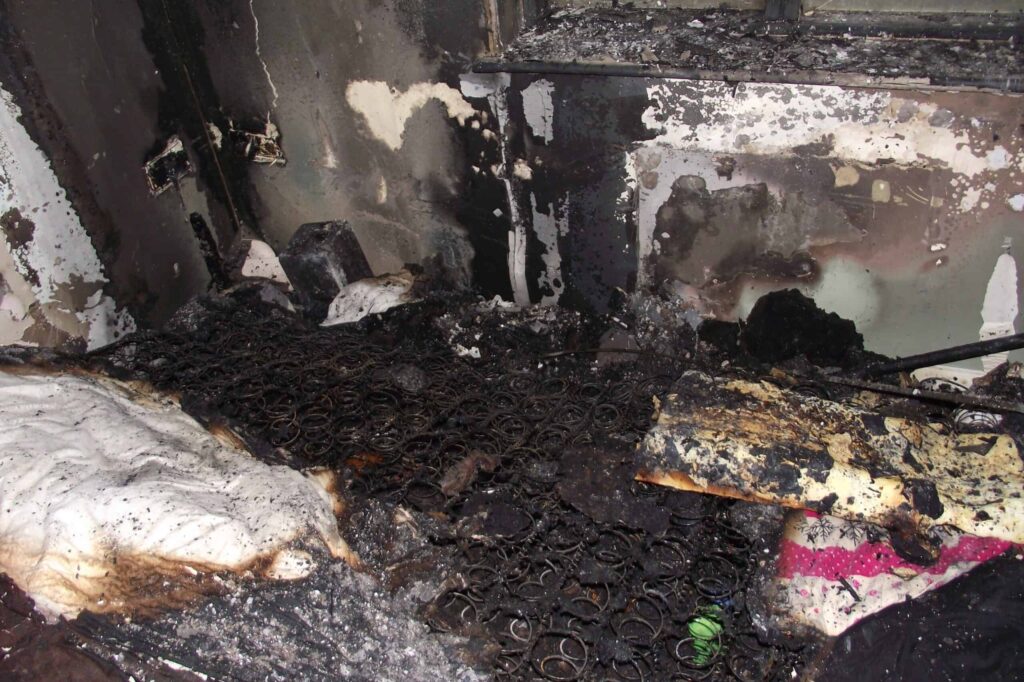
- Keep batteries as cool as possible. Avoid direct sunlight or high-heat environments, such as hot cars during the summer or conservatories.
- Never charge a battery that is damaged in any way or emits a smell or leaks.
- Include lithium-ion battery risks in your Fire Risk Assessment. This is a statutory requirement under the Fire Safety Order 2005. The assessment should cover the storage, charging, and use of the appliances.
Conclusion
We all need to be more aware of appliances that contain lithium batteries – how they are charged, stored and used.
Fires involving lithium batteries are increasing at home and at work. Don’t let it happen to you.
At the very least, make sure you have working smoke detectors in your home and/or business.
Our fire safety courses cover the major causes of fire, including battery fires. Contact us for more information or to book a course.