What Are a Fire Warden’s Duties? Key Responsibilities Explained
Fire wardens play a vital role in protecting people, property, and business continuity. For a complete overview of the position, responsibilities, and legal requirements, see our guide to the Fire Warden Role.
During an emergency, employees, visitors and contractors look to designated fire wardens for guidance, making their role one of the most important elements of a workplace fire safety strategy.
Whether you are considering becoming a fire warden, have recently been appointed, or manage workplace fire safety, understanding a fire warden’s duties is essential.
What Is a Fire Warden?
A fire warden (sometimes called a fire marshal) is a designated person responsible for supporting workplace fire safety. Before carrying out these responsibilities, individuals should receive appropriate fire warden training.
Their responsibilities include helping prevent fires, identifying hazards, assisting with evacuations, and acting as a point of contact during emergencies.
The requirement for fire wardens stems from the Regulatory Reform (Fire Safety) Order 2005, which requires employers and responsible persons to put appropriate fire safety arrangements in place.
Why Are Fire Wardens Important?
Even the best fire alarm system cannot guarantee a safe evacuation without competent people to manage the process.
Fire wardens help:
- Reduce fire risks before an incident occurs
- Identify unsafe practices and hazards
- Support the safe evacuation of occupants
- Assist vulnerable persons during emergencies
- Report fire safety concerns
- Improve overall workplace fire awareness
Their presence helps ensure evacuation procedures work effectively when every second counts.
The Main Duties of a Fire Warden
Fire wardens have responsibilities before, during and after a fire emergency.
1. Conduct Regular Fire Safety Inspections
One of a fire warden’s primary duties is identifying potential fire hazards before they become serious risks.
Typical inspections may include:
- Checking fire exits remain unobstructed
- Ensuring escape routes are clear
- Looking for unsafe storage of combustible materials
- Reporting damaged fire doors
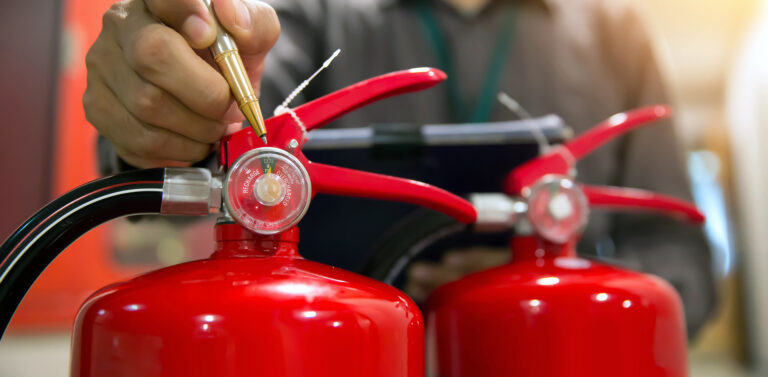
- Checking fire extinguishers appear serviceable
- Identifying poor housekeeping standards
Regular monitoring can significantly reduce the likelihood of a fire occurring.
2. Monitor Fire Safety Standards
Fire wardens help reinforce good fire safety practices throughout the workplace.
This may involve:
- Reporting faulty fire safety equipment
- Challenging unsafe behaviour
- Ensuring fire doors are not wedged open
- Monitoring hot work activities
- Checking ignition sources are controlled
- Promoting safe storage practices
By staying aware of fire safety standards, wardens help build a stronger safety culture.
3. Assist During Fire Evacuations
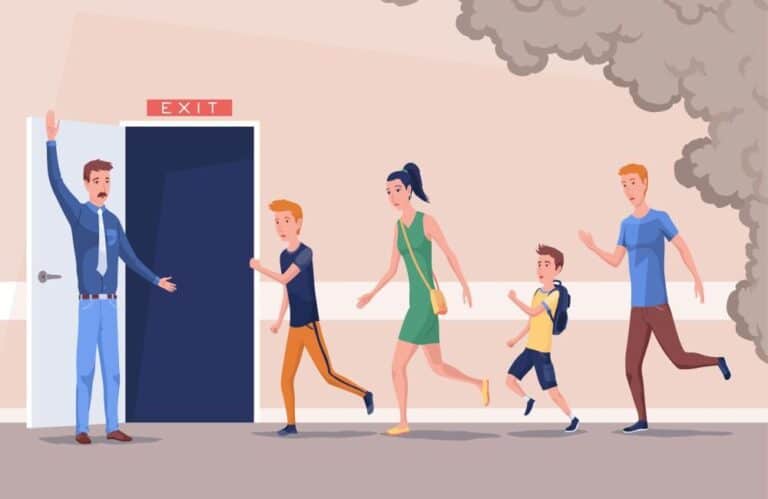
One of the most recognised responsibilities of a fire warden is managing evacuations.
When an alarm sounds, fire wardens should:
- Encourage people to leave immediately
- Direct occupants towards the nearest safe exit
- Check designated areas where safe to do so
- Assist visitors and contractors
- Prevent re-entry into the building
- Ensure evacuation routes remain clear
Their calm and confident actions can help prevent confusion and panic.
4. Check Designated Escape Routes and Areas
As part of routine fire safety duties, wardens may regularly inspect:
- Corridors
- Stairwells
- Fire exits
- Refuge points
- Assembly areas
Report any issues identified promptly so corrective action can be taken.
5. Support People Who Need Assistance
Some occupants may require additional support during an evacuation.
Examples include:
- Individuals with mobility difficulties
- People with visual impairments
- Temporary injuries
- New employees unfamiliar with procedures
- Visitors to the premises
Fire wardens may help implement Personal Emergency Evacuation Plans (PEEPs) and ensure assistance arrangements are understood.
6. Participate in Fire Drills
Fire drills are essential for testing emergency procedures.
Fire wardens often assist by:
- Monitoring evacuation times
- Checking designated zones
- Reporting issues encountered
- Providing feedback following the exercise
- Helping improve future evacuation arrangements
Regular drills help ensure occupants know what to do in an emergency.
7. Report Fire Safety Concerns
Fire wardens act as the organisation’s eyes and ears for fire safety.
Examples of concerns that should be reported include:
- Blocked exits
- Damaged fire doors
- Faulty emergency lighting
- Missing fire safety signage
- Excessive combustible storage
- Unsafe electrical equipment
Early reporting helps address problems before they increase risk.
8. Account for Occupants at the Assembly Point
Once evacuation is complete, fire wardens may help verify that their designated area is clear.
Depending on workplace procedures, they may:
- Report zone clearance information
- Assist with roll calls
- Identify missing persons
- Relay information to emergency services
Accurate information can be critical during an emergency response.
9. Liaise with Emergency Services
When the fire and rescue service arrives, fire wardens may provide useful information such as:
- Location of the incident
- Any persons unaccounted for
- Known hazards within the building
- Building layout information
- Access points
This helps emergency responders make informed decisions quickly.
Do Fire Wardens Fight Fires?
Many people assume fire wardens are expected to tackle fires.
In reality, a fire warden’s primary responsibility is life safety, not firefighting.
Fire extinguishers should only be used if:
- The fire is very small
- The fire service has been called
- Occupants are being evacuated
- The individual has received appropriate training
- It is safe to do so
- There is a clear means of escape
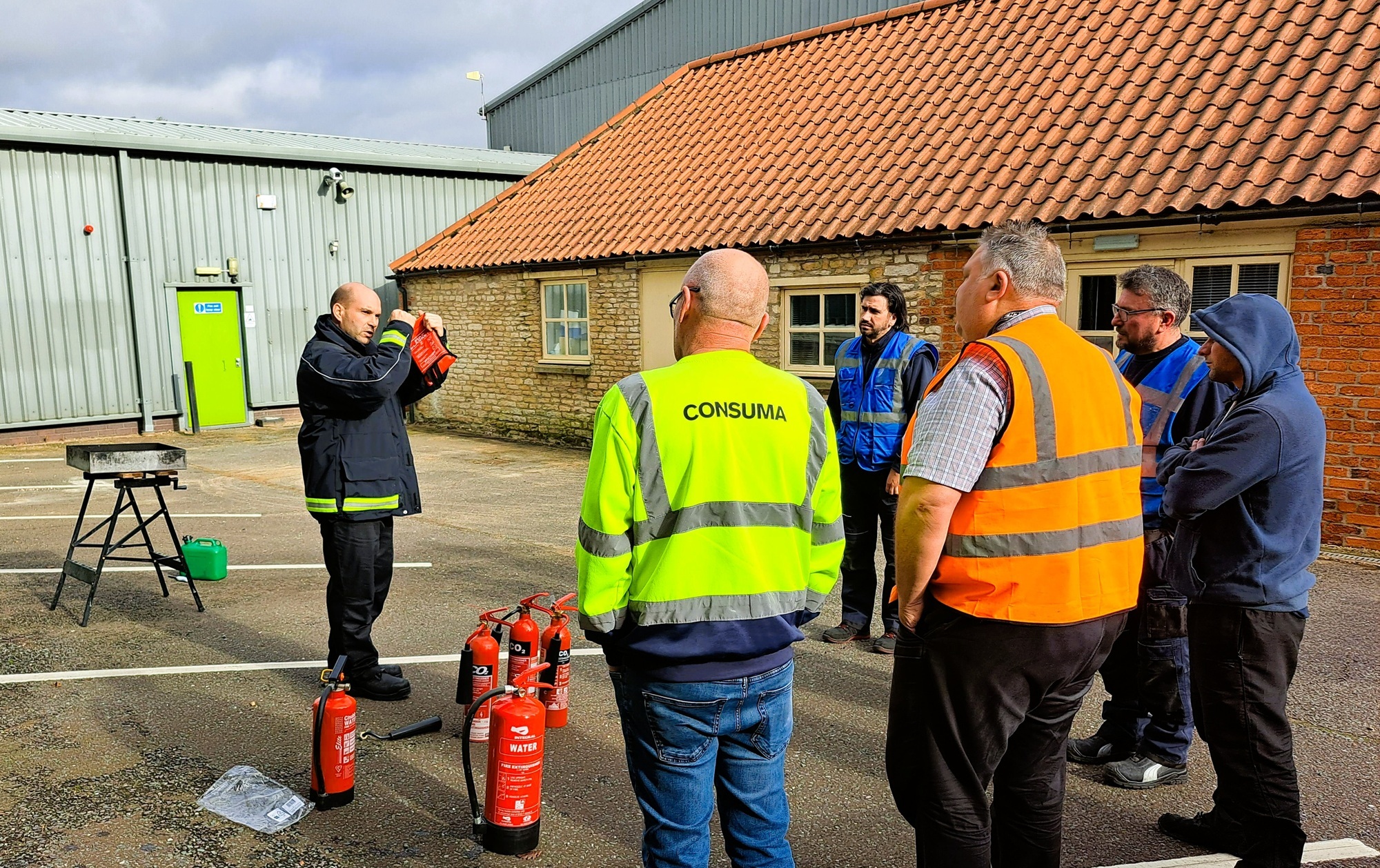
Users should understand the limitations and safe operation of equipment through appropriate fire extinguisher training.
No fire warden should place themselves at risk by attempting to fight a fire.
How Many Fire Wardens Do You Need?
There is no fixed legal requirement for a specific number of fire wardens.
The appropriate number depends on factors such as:
- Building size
- Occupancy levels
- Shift patterns
- Number of floors
- Fire risks present
- Presence of vulnerable persons
Your fire risk assessment should help determine adequate coverage.
Fire Warden Duties Checklist
A fire warden should typically:
✅ Check fire exits are unobstructed
✅ Monitor fire safety standards
✅ Identify and report hazards
✅ Assist during evacuations
✅ Support vulnerable occupants
✅ Participate in fire drills
✅ Report safety concerns
✅ Help account for occupants
✅ Liaise with emergency services
Fire Warden Training
To carry out their responsibilities effectively, fire wardens should receive suitable and sufficient training.
Training typically covers:
- Fire safety legislation
- Causes of workplace fires
- Human behaviour during emergencies
- Evacuation procedures
- Fire extinguisher awareness
- Fire warden responsibilities
- Hazard identification
Regular refresher training helps ensure knowledge remains current and effective.
Looking to learn more about responsibilities, legislation, training requirements and workplace compliance? Visit our comprehensive Fire Warden Role Guide.
Conclusion
The duties of a fire warden extend far beyond simply responding to fire alarms. Fire wardens help prevent fires, support safe evacuations, monitor workplace fire safety standards, and contribute to a safer working environment for everyone.
By understanding and carrying out these responsibilities effectively, fire wardens become a crucial part of any organisation’s emergency preparedness arrangements.